


Executive Summary
-
Mexico City’s security landscape is defined by petty crime in tourist areas, alongside a moderate risk of violent incidents such as armed robberies and targeted shootings. Northern and eastern boroughs, including Cuauhtemoc and Iztapalapa, remain vulnerable due to higher population density and cartel activity, respectively.
-
The city faces relatively low-complexity asymmetric threats, with cyberattacks representing the most prominent and evolving risk vector. Bomb threats against public institutions occur periodically but are overwhelmingly hoaxes. Risks associated with extremism remain limited.
-
Although high-impact violence is expected to remain limited during major events such as the 2026 FIFA World Cup, travel disruptions, opportunistic crime, and protests are likely, along with increased surveillance and travel restrictions, particularly in Cuauhtemoc, Venustiano Carranza, and Coyoacan boroughs.
-
Travel to Mexico City can continue while maintaining heightened vigilance, especially regarding persistent non-violent opportunistic crimes and the potential spillover effects of localized cartel-related incidents in northern and eastern boroughs.
Introduction
Mexico City, the capital of Mexico, is located in the central region of the country and is administratively divided into 16 boroughs. As the country’s most populous city, with a metropolitan population exceeding 21 million residents, it functions as a major economic center, with substantial activity in the finance and manufacturing sectors. The city also maintains a strong tourism industry, attracting more than 15 million visitors each year. While Mexico City experiences moderate levels of petty and violent crime, high-impact incidents associated with organized crime, such as narcoblockades and clashes, remain very low. The risk of civil unrest is assessed as low-to-medium, particularly in areas surrounding major government buildings.
Petty crime remains pervasive, especially in central high-traffic areas, violent crime declining overall but persists in higher-risk outer boroughs
The city’s security risk landscape varies by borough. However, petty crime remains a pervasive concern across all areas. Common incidents include pickpocketing, ride-hailing and taxi-related scams, residential burglary, vehicle theft, auto-part theft, robberies near ATMS, bank branches, currency exchanges, and other cash-handling points. The risk of such crimes is particularly elevated in the central, high-footfall areas such as historical sites, restaurant districts, shopping centers, and public transport, rather than uniformly across all boroughs. Official monthly data show Cuauhtemoc as the city’s highest-incidence borough for both total crime and property crime, with Benito Juarez and Miguel Hidalgo also recording substantial volumes. Other specific high exposure points include the city’s main visitor corridors including Centro Historico, Chapultepec and Paseo de la Reforma, Roma-Condesa, Polanco, North Miguel Hidalgo, and Coyoacan. Public transport exposure to petty theft is greatest around the Metro and Metrobus network, especially busy interchange and station areas tied to these same districts. These incidents are typically opportunistic, carried out by local street gangs that avoid high-visibility crimes to operate with relative impunity.
On the other hand, the city continues to record a downward trend in violent crime such as homicides, kidnappings, as well as armed and aggravated robberies. Authorities have reported an approximately 12 percent year-on-year decrease in 2025, alongside a reduction of over 50 percent compared to 2019 levels, according to official data. Iztapalapa, Cuauhtemoc, Gustavo A Madero, Tlahuac, and Venustiano Carranza are among the higher-volume areas for opportunistic violent crimes such as armed robberies, carjacking of private vehicles and taxis, and kidnappings of locals. This is due to a combination of factors such as higher population density, socioeconomic disparities, concentration of economic activity, and the presence of local drug-trafficking gangs like Union Tepito. Suspects typically target public transport, private vehicles, and small-scale businesses for armed robberies. They also conduct opportunistic armed robberies in traffic, including incidents in which taxi drivers are threatened with firearms and forced to surrender personal belongings. In such cases, the risk of escalation remains credible, particularly if victims resist. While foreign tourists are not directly targeted for such violent crimes, the risk of exposure remains high in these neighborhoods, especially at night and early morning hours.
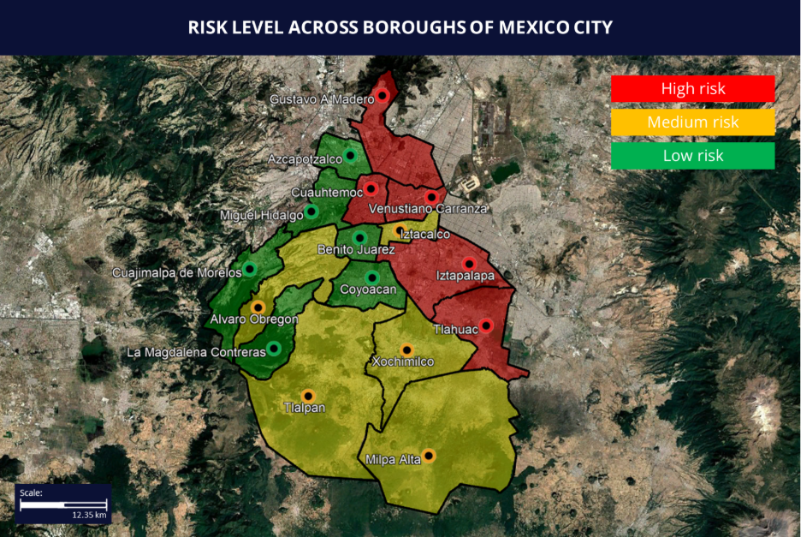
On the other hand, boroughs such as Azcapotzalco, Benito Juarez, Cuajimalpa de Morelos, Coyoacan, and Miguel Hidalgo are generally considered safer areas of Mexico City. Although these boroughs intermittently record instances of violent crime, such as armed robberies, the frequency of such incidents remains comparatively lower than in other boroughs. This is due to a convergence of factors, including higher average incomes, lower levels of marginalization, effective policing efforts, and a limited presence of criminal groups.
Cartels to maintain low-profile operational presence, conduct targeted attacks, with limited threat to visitors besides incidental exposure
While major drug cartels such as Cartel Jalisco Nueva Generacion (CJNG) and Cartel de Sinaloa (CdS), maintain a logistical presence in Mexico City, local cells such as La Union Tepito, Los Molina, Don Agus gang, and Los Rodulfos, are known to carry out most cartel activity. These groups are known for relying heavily on proxies such as local gangs, street-level operators, and front businesses to sustain drug trafficking and extortion activities in Mexico City, while keeping drug-trafficking and extortion operations low-profile. Cartel activity is primarily concentrated in the boroughs of Azcapotzalco, Coyoacan, Cuauhtemoc, Iztapalapa, Miguel Hidalgo, Milpa Alta, Tlahuac, Tlalpan, and Xochimilco. However, their presence is primarily logistical in nature and does not typically translate into overt violence since criminal groups seek to avoid law enforcement pressure.
Large-scale cartel-related violence, such as clashes, narcoblockades, or arson attacks targeting public infrastructure, is not characteristic of Mexico City. Such incidents are more commonly observed in neighboring states, including Michoacan and Guanajuato, rather than in the capital itself. However, the neighborhoods of Iztapalapa, Cuauhtemoc, Gustavo A Madero, Tlahuac, and Venustiano Carranza, have historically recorded a higher number of targeted shootings at public places against individuals linked to cartel and extortion-related activities. Iztapalapa and Cuauhtemoc specifically has remained a hotspot for targeted shootings in public areas since the borough remains a key operational stronghold for cartel cells.
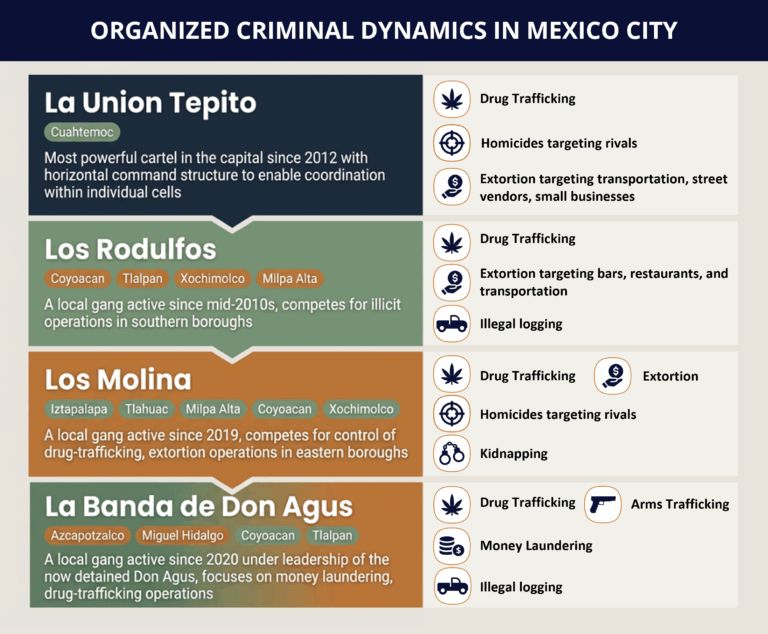
Additionally, reports indicate that local cells such as La Union Tepito, Los Molina, Don Agus gang, and Los Rodolfos are increasingly vying to enable drug sales and extortion operations targeting local businesses in the Coyoacan borough, where the Estadio Azteca stadium is located and where the FIFA World Cup tournament will be held from June to July, along with the nearby Tlalpan borough. This is driven by the anticipated increase in tourist and residential footfall in the area during the tournament period. Amid this rivalry, there has been an increase in reports of extortion, particularly of small-scale businesses such as bars, along Avenida del Iman area in Coyoacan and in Acoxpa, Miramontes, and Calzada de Tlalpan areas in Tlalpan. That said, there has been no corresponding cartel rivalry related increase in violence in Coyoacan, such as targeted shootings of rival groups. Similarly, there is no clear indication of tourists being directly targeted by this rise in extortion. Overall, cartel related violence in Mexico City remains primarily targeted, and visitors are rarely impacted. However, incidental exposure during shootings in public spaces poses a risk to bystanders.
Extortion threats to impact small-scale business, risk of cargo theft to remain high along key highways
In Mexico City, businesses face operational security risks associated with organized crime-related extortion, opportunistic crime, and infrastructure vulnerabilities. Extortion targeting businesses is rising sharply in Mexico City, with reported cases increasing 260 percent year-on-year, from 473 in 2024 to 1,704 in 2025. This surge places the capital among the hardest-hit areas nationally, ranking third in extortion rates at 18.55 cases per 100,000 inhabitants, behind Morelos (20.38) and Guanajuato (19.50).
High rates of extortion in Mexico City are primarily associated with local criminal groups such as La Union Tepito, which target small and informal businesses across sectors including hospitality, transport, and retail. These groups typically issue demands in person or via telephone, often requiring recurring payments that can range from approximately 50-1,000 USD. The landscape is further complicated by scams involving individuals falsely claiming affiliation with criminal groups or authorities to extract payments. Compared to higher-risk states such as Michoacan and Guanajuato, where non-compliance frequently results in direct attacks, extortion in Mexico City is more commonly enforced through intimidation and coercive threats, rather than immediate physical retaliation. The risk of extortion is highest in the boroughs of Iztapalapa, Gustavo A Madero, and Cuauhtemoc, along with credible risk in Alvaro Obregon, Azcapotzalco, Coyoacan, Iztacalco, Tlalpan, and Venustiano Carranza. This risk distribution is driven by a combination of stronger criminal group presence and a higher concentration of small-scale business activity.
Industrial enterprises and import as well as export-reliant businesses face elevated exposure to cargo theft, particularly along key transport corridors and during last-mile distribution within and around Mexico City. For individual travelers, that risk extends to private cars and passenger transport. Key highways, including Carretera Federal 57 (Mexico–Queretaro), Carretera Federal 85D (Mexico–Pachuca), and Carretera Federal 95D (Mexico–Cuernavaca), experience elevated levels of cargo theft, hijackings, and driver extortion. Groups operating along these routes frequently use tactics such as setting up fake checkpoints, impersonating police or traffic officials, and carrying out armed interceptions, which visitors traversing these highways can also fall victim to.
Protests to remain frequent, largely peaceful, concentrated in Cuauhtemoc, with occasional localized escalation into clashes, vandalism
Mexico City faces a moderate and persistent risk of civil unrest, characterized by frequent, localized protests. Demonstrations are driven primarily by labor disputes, notably education, transport, and utility workers’ unions, social and insecurity-related grievances, anti-gentrification activism, and broader anti-government sentiment, as seen during the November 2025 Generation Z protests. These actions are typically organized by labor unions, teacher groups, civil society organizations, and issue-based activist movements, and are often accompanied by strikes or coordinated disruptions that can last 24 hours or longer, particularly affecting public services such as transport.
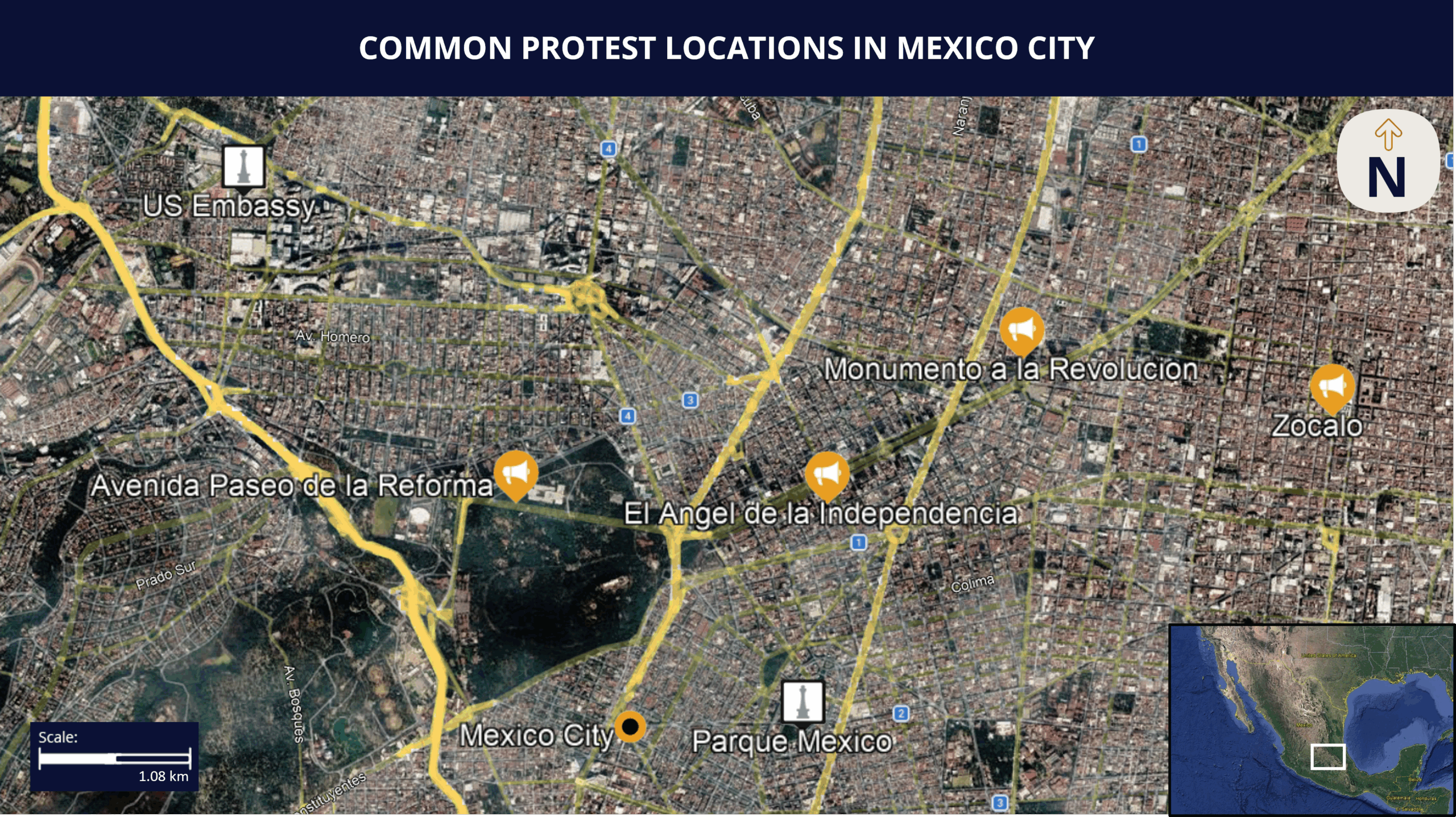
Most protests are small to medium in scale, typically drawing high dozens-to-low hundreds of participants, although turnout can increase to the low-to-mid thousands during periods of nationwide mobilization. The majority of demonstrations remain peaceful. However, localized escalation is possible, albeit sporadically. Such escalation may include clashes with police, vandalism, and attempts to breach security perimeters around government buildings. Protest activity is highly concentrated in the Cuauhtemoc borough, including the Zocalo, Palacio Nacional, Angel de la Independencia, and Monumento a la Revolucion, as well as along key thoroughfares such as Avenida Paseo de la Reforma. Additional recurring hotspots include government offices, transport hubs, and major intersections.
Cybercrime, misinformation, hoax threats to drive low-cost disruption, terrorism risk remains low, with isolated lone-actor incidents posing limited but credible threats
Mexico City is exposed to a range of unsophisticated asymmetric disruptive tactics. Cyber-enabled threats represent the most scalable and rapidly evolving risk vector. Cyberattacks include phishing campaigns, ransomware, QR-code fraud, credential harvesting, and malware distribution through social media and messaging platforms. For example, authorities have warned of fake QR codes placed in restaurants and parking areas that redirect users to fraudulent payment portals, as well as phishing campaigns impersonating major Mexican banks to harvest credentials. These activities disproportionately target mid-to-large companies and public entities due to their data value but are also widely used against individuals and small businesses through fake job offers and investment scams. In one recurring pattern, victims are contacted via messaging apps with fraudulent employment offers, only to be extorted after submitting personal information.
Closely linked to this is the rise of digital harassment and information manipulation as a form of soft coercion. Gender-based digital violence, including doxxing, non-consensual content distribution, and coordinated harassment has been identified by authorities as a persistent issue, particularly affecting women. Reports have indicated that the capital is a national hotspot, where hundreds of cases are handled annually. There is no evidence that tourists are specifically targeted, rather, any risk is tied to individual online activity, such as social media or app usage, making it situational and digital rather than location based. At the same time, the deliberate spread of false information has emerged as a tool to generate panic and shape public perception. For instance, there have been reported cases where fabricated messages about imminent attacks or kidnappings circulated widely on WhatsApp, prompting temporary closures of schools or businesses despite lacking verification. While often decentralized, these campaigns can amplify fear, disrupt routine activity, and create conditions that opportunistic actors exploit. For visitors, this may manifest as sudden business closures, quieter streets or reduced transport activity, and heightened anxiety driven by rapidly circulating but unverified warnings, creating a sense of instability even in the absence of a confirmed incident.
Bomb threats remain a recurrent, low-cost tactic. These incidents are typically delivered through anonymous calls, written messages, or online channels and frequently target judicial buildings, government offices, transport nodes, and educational institutions. In February, for example, false bomb threats triggered evacuations at judicial facilities in central districts, prompting large-scale security mobilizations and temporary road closures. Similar hoaxes have affected universities and commercial centers in previous years. Although explosive devices are rarely found, the consistent need to respond results in repeated, short-term disruptions, particularly in high-density boroughs such as Cuauhtemoc and Alvaro Obregon.
Meanwhile, the ideological threat landscape in Mexico City remains limited. There is no sustained presence of organized Islamist or transnational terrorist networks conducting operations in the capital, and authorities have not identified a consistent attack pattern linked to such groups. Instead, the more credible vector is lone-actor violence influenced by online radicalization, particularly within misogynistic “incel” subcultures. A notable example is the 2025 attack at a university in southern Mexico City, where a male student targeted a female victim following exposure to online incel forums and fixation on prior attacks, reinforcing concerns around copycat behavior. These incidents are not indicative of a structured extremist movement but do present a low-probability, high-impact risk, especially in educational environments. For visitors, this translates into minimal day-to-day disruption but a residual, hard-to-predict threat in public spaces where security visibility may be lower, and incidents, though rare, can unfold rapidly.
Low public trust, corruption concerns persist despite centralized, technologically driven policing model
In Mexico City, law enforcement falls under the purview of the Secretaria de Seguridad Ciudadana de la Ciudad de Mexico (SSC CDMX), which is mandated to maintain public order, prevent crime, respond to emergencies, and carry out enforcement operations. Unlike other Mexican states, where policing is divided across municipal, state, and federal levels, Mexico City operates under a centralized, technology-driven model. Compared to law enforcement agencies in most other states, the SSC CDMX benefits from advanced surveillance infrastructure that enables the monitoring of traffic and transport systems, and effectively respond to high-impact incidents, violence spikes, or emergencies.
While the SSC CDMX is among the most advanced law enforcement systems in Mexico, public confidence in law enforcement remains low due to recurring cases of corruption, disciplinary violations, misconduct, and collusion with local criminal groups. Foreign tourists may also face a credible risk of corruption, particularly in the form of officers exploiting the “Hoy No Circula” program to solicit bribes from drivers with foreign license plates, especially in tourist areas and along highways. In such instances, foreign travelers may be subjected to intimidation and verbal abuse. However, these encounters generally do not escalate into physical violence.
FIFA 2026 to drive heavy security, congestion, opportunistic crime, localized protests, with disruptions concentrated around stadium, Zocalo, transport corridors
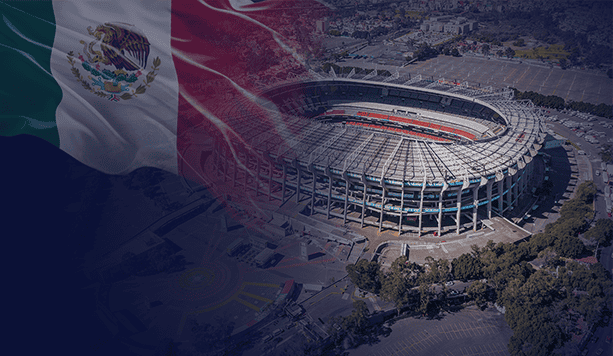
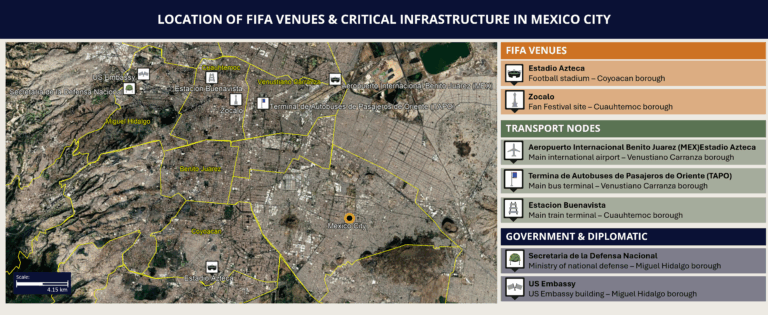
The Estadio Azteca, commercially known as Estadio Banorte, is scheduled to host matches of the FIFA World Cup 2026 in the Coyoacan borough from June 11 to July 19. The stadium has a capacity of 53,500, and authorities anticipate that Mexico City will receive over 2.6 million visitors during the tournament period. In addition, the FIFA Fan Festival 2026 in Mexico City is set to take place at the Zocalo, which is located in Cuauhtemoc borough and will serve as the central gathering point for World Cup-related activities during the tournament period.
As of April 2026, Mexico City has a layered security framework that combines federal and city-level efforts under the broader “Plan Kukulkan,” a nationwide security initiative, with localized deployments in Mexico City drawing from this national pool rather than operating as a separate force. This security plan entails the large-scale deployment of law enforcement personnel of up to approximately 11, 000 security personnel, along with CCTV cameras for surveillance, military aircraft, patrol vehicles, and canine units, supported by counter-unmanned aircraft systems and robotic units for air and ground surveillance and hazardous material detection. Authorities have also undertaken simulation exercises at critical locations, including Estadio Azteca, to enhance the preparedness of security units.
Beyond Estadio Azteca, security measures are expected to be concentrated at locations that are expected to witness high football of foreign tourists during the tournament period. This includes the Aeropuerto Internacional Benito Juarez (MEX), popular tourist sites such as Plaza Garibaldi, and Monumento a la Revolucion in Cuauhtemoc borough, hotels, shopping malls, and the Zocalo, where the Fan Festival is anticipated to draw approximately 60,000 attendees per day.
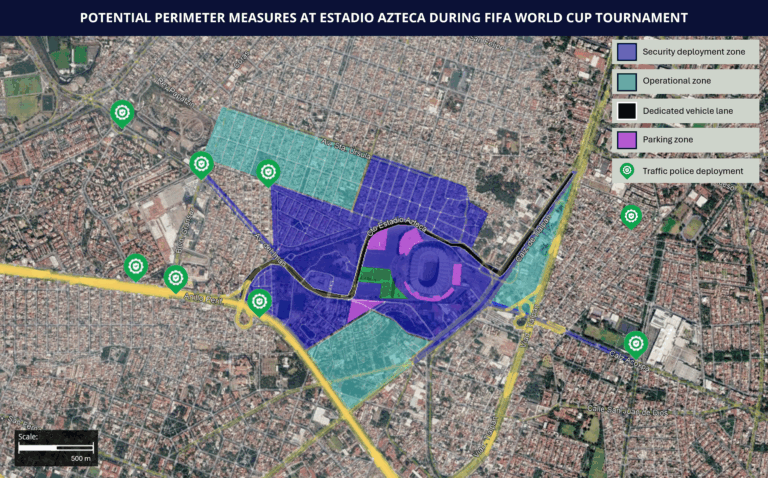
Authorities are likely to implement perimeter measures mirroring the “Poligono de Ultima Milla” (Last Mile Polygon) plan, as seen during the friendly match between Mexico and Portugal played on March 29, held at Estadio Azteca. This plan entails restricted access, confined lanes, and regulation of pedestrian and vehicular entry around the Estadio Azteca to reduce congestion while traveling. In addition to this, authorities will implement road closures at strategic roads across the city to reach the stadium, including Calzada de Tlalpan, Avenida del Iman, Anillo Periferico, and Santa Ursula.
Public transportation restrictions are also expected to be implemented on match days, likely impacting travel. This includes services such as the Red de Transporte de Pasajeros (RTP) bus network and the Servicio de Transportes Electricos’ electric buses (trolleybuses) and light rail line (Tren Ligero). That said, authorities are expected to provide “Fan Shuttles”, dedicated buses transporting fans from frequently visited locations such as the Auditorio Nacional and the Perisur directly to stadium gates. Additionally, an increased risk of congestion is likely at MEX during the tournament period due to the influx of domestic and foreign tourists and overcrowding and slow transfers, along with the likelihood of delays stemming from authorities’ bolstered security screening measures.
In terms of security, criminal actors are likely to capitalize on the influx of foreign visitors through opportunistic crime rather than targeted violence. The primary risks to tourists will stem from pickpocketing and theft of personal belongings in dense crowds, particularly around fan zones, transport hubs, and major transit corridors. Additional threats include ATM-related fraud, fraudulent ticket sales, and phishing schemes leveraging FIFA branding. Organized criminal groups, including local networks such as La Union Tepito, are likely to intensify extortion activities targeting small and informal businesses, particularly in the hospitality, retail, and transport sectors in areas such as Coyoacan and Tlalpan, to exploit increased tourist-driven revenue. However, this activity is directed at business operators rather than visitors. As such, while tourists may be indirectly affected through higher prices, reduced services, or localized tensions, they are unlikely to be directly targeted for extortion.
Overt, targeted violence against tourists remains unlikely, as criminal groups generally seek to avoid actions that would trigger heightened law enforcement scrutiny, particularly during a high-profile international event. As of April 2026, there are no credible indications of cartel-linked plots targeting World Cup events or attendees in Mexico City.
Conversely, the likelihood of protests related to FIFA 2026 remains medium-to-high. Among the potential locations, the likelihood of protest-related disruptions is highest at the Zocalo, which is the primary hotspot for major protests and where the FIFA Fan Festival is scheduled to be held. Agricultural coalitions and transport sector unions have signaled the potential for demonstrations in Mexico City, including on the opening match at Estadio Azteca on June 11. These protests are likely to involve road blockades across major highways across Mexico City, including Carretera Federal 57 (Mexico-Queretaro), Carretera Federal 85D (Mexico-Pachuca), and Carretera Federal 95D (Mexico-Cuernavaca), as well as other key access routes. Additionally, the LGBTQIA+ Pride March, typically held in June, may coincide with the event timeline. While these developments may contribute to localized disruptions, particularly to road traffic, widespread unrest is not anticipated given the scale of the planned security deployment.
Recommendations
General
-
Travel to the Mexico City can continue while maintaining heightened vigilance for persistent non-violent opportunistic crimes and sporadic spillover impacts from localized cartel-related incidents in northern and eastern boroughs.
-
Consult MAX for custom threat monitoring and risk assessment. Additionally, Max has capabilities on ground. For further support with planning or security during the event, please reach out to intel@max-security.com.
Travel
-
Ensure that passport is valid for the full duration of stay, but there is no need for a minimum period of validity exceeding the length of the stay. Visa requirements depend on nationality, with many EU, US, UK, Canadian, and Japanese citizens visa-exempt for tourism up to 180 days. Make copies of identification and travel documents in case of loss or theft.
-
Fill out the Multiple Migration Form (FMM) tourist form in advance online or upon arrival and retain it until departure. Immigration officers may request additional documents such as hotel reservations or return tickets from foreign tourists.
-
US citizens requiring any form of consular and citizen-service matters can approach the US Embassy Mexico City located in Miguel Hidalgo borough, Mexico City.
-
Aeropuerto Internacional Benito Juarez (MEX) airport located in Venustiano Carranza borough is the primary air entry point. Travelers are recommended to use official taxi services or pre-arranged hotel transfers upon arrival.
-
Within the ZMM, ride-sharing services like Uber and DiDi are widely used. Travelers can also opt for the city’s well-developed transport network, particularly the Red de Transporte de Pasajeros (RTP) bus network, Servicio de Transportes Electricos’ electric buses (trolleybuses) and light rail line (Tren Ligero) rapid transit options.
-
During major events, such as FIFA World Cup 2026, anticipate potential disruptions to traffic. Taxi and ride-sharing services may face booking delays, pricing surges, and limited availability due to the event-related demand.
Crime
-
Refrain from pedestrian travel along poorly lit streets and deserted areas, especially outside central and tourist-oriented neighborhoods, during the night hours.
-
Maintain heightened situational awareness in densely crowded areas, public transport, and bus stations where theft, pickpocketing, and other opportunistic crimes are more common.
-
Avoid exposing jewelry or other valuable items that may attract unwanted attention and a target for theft. Keep valuables like passports, phones, and cash secure at all times.
Organized Crime
-
Avoid areas known for drug trafficking activity or nightlife venues associated with illicit activity.
-
Avoid traveling late at night to unfamiliar or peripheral neighborhoods. Use reputable hotels with security measures rather than informal accommodation.
-
During active violent incidents such as shootouts seek immediate shelter in a secure location and remain there until authorities have responded, or the situation is officially deemed no longer a public threat.
-
Travelers entering Mexico by land should exercise increased caution due to the risk of armed robberies and hijackings in remote areas along the Carretera Federal 57 (Mexico-Queretaro), Carretera Federal 85D (Mexico-Pachuca), and Carretera Federal 95D (Mexico-Cuernavaca).
Civil Unrest
-
Maintain heightened vigilance near areas surrounding large-scale protests. Monitor local news sources or MAX coverage for slated protest activities ahead of travel.
-
Allot for protest-related road closures, traffic delays, or public transport disruptions.
-
Do not engage in demonstrations that may be deemed political as Mexican law prohibits political activities by foreign nationals.
Cyber/Hybrid threats
-
Avoid using public or unsecured Wi-Fi networks for sensitive communications or transactions.
-
Use strong, unique passwords and enable multi-factor authentication. Be cautious of QR codes in public places. Avoid clicking on all suspicious links or opening emails from unidentified senders, including event-branded emails or messages, that threat actors may misuse.
-
Limit sharing of travel plans or location details on social media in real time.